
Composition of Electric Motorcycle Hub Motor Production Line
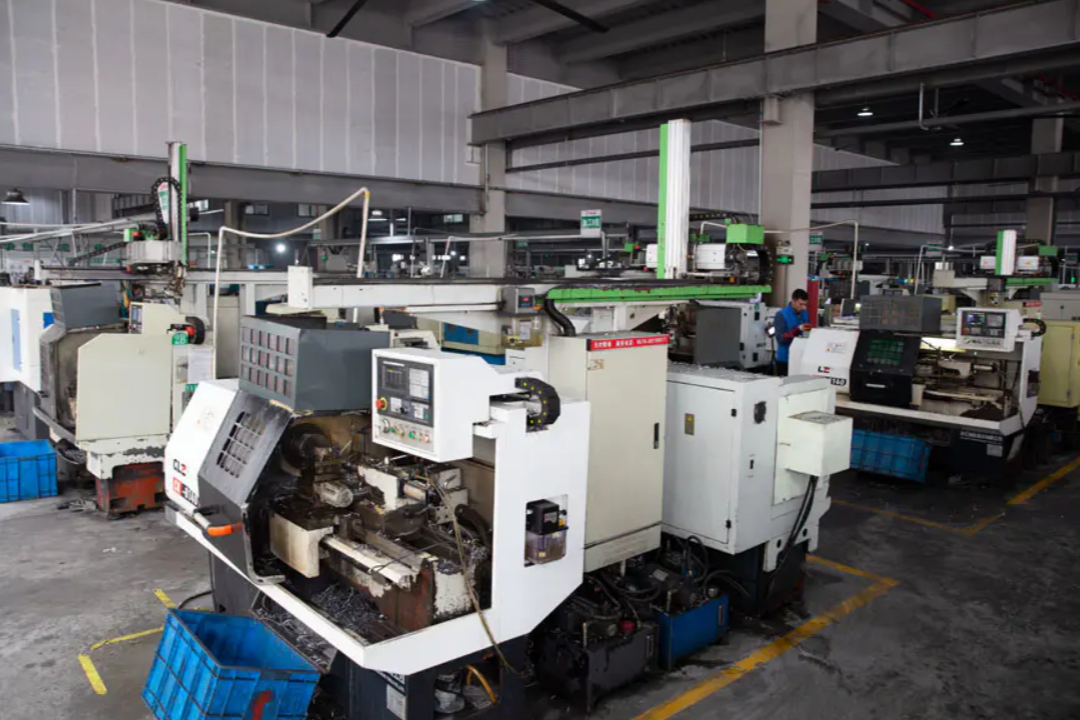
1. Core Component Processing Stage
This is the starting point of the production line, mainly responsible for precision processing of core components of hub motors:
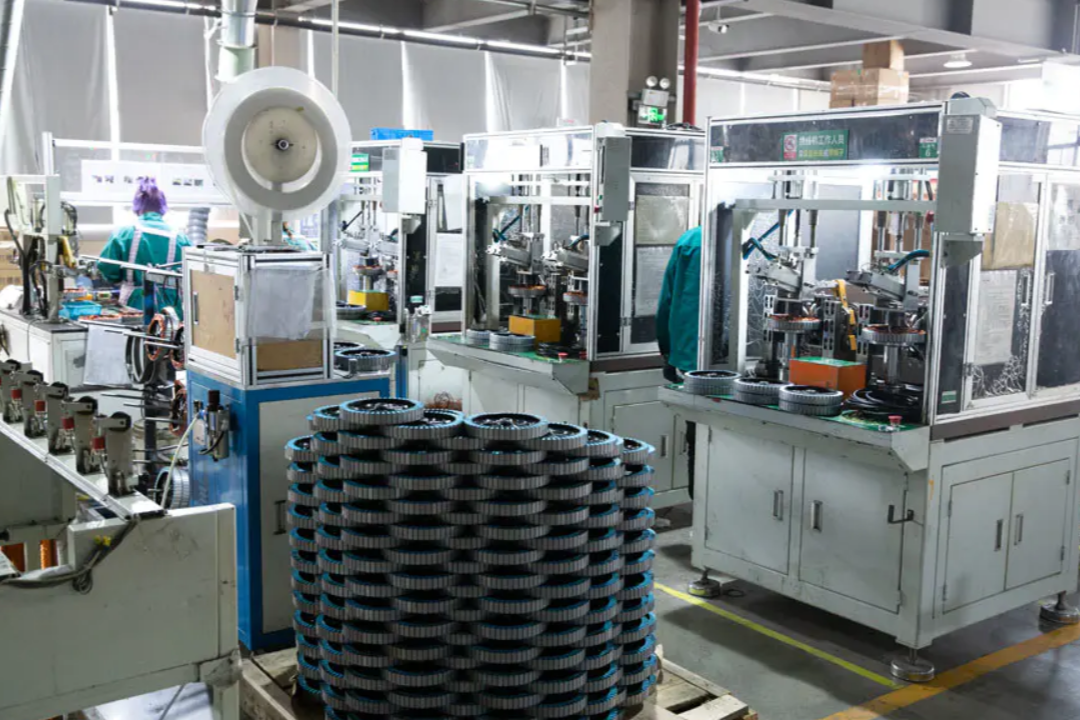
• Stator Processing: Complete the production of stator core and winding assembly through stamping, winding, insulation treatment and other processes to ensure stable electromagnetic performance;
• Rotor Processing: Perform CNC machining such as turning, milling, and drilling on aluminum alloy hub blanks to ensure dimensional accuracy and dynamic balance;
• Shaft Parts Processing: Conduct quenching and tempering treatment and precision grinding on key shaft parts such as motor main shafts and bearing seats to meet strength and fit requirements;
• Housing/End Cover Processing: Complete die-casting forming and subsequent machining of motor housings and end covers to ensure sealing and assembly accuracy.
2. Component Quality Inspection Stage
All processed components must undergo strict inspection to prevent non-conforming products from entering the next process:
• Dimensional Inspection: Use calipers, micrometers, projectors and other tools to inspect key dimensions of components to ensure compliance with drawing requirements;
• Performance Testing: Conduct insulation resistance and inter-turn voltage withstand tests on stator windings, and dynamic balance tests on rotors;
• Visual Inspection: Check components for surface defects such as cracks, scratches, and deformation;
• Material Inspection: Randomly inspect the composition and hardness of raw materials to ensure material compliance.
3. Subassembly Pre-assembly Stage
Assemble inspected qualified components into motor subassemblies in preparation for final assembly:
• Stator Assembly: Assemble processed stator cores with windings and insulation parts to complete the stator assembly;
• Rotor Assembly: Assemble permanent magnets, bearings, shaft parts into hub rotors to complete the rotor assembly;
• Electronic Control Accessory Pre-installation: Pre-install electronic control accessories such as Hall sensors, terminals, and waterproof connectors at designated positions.
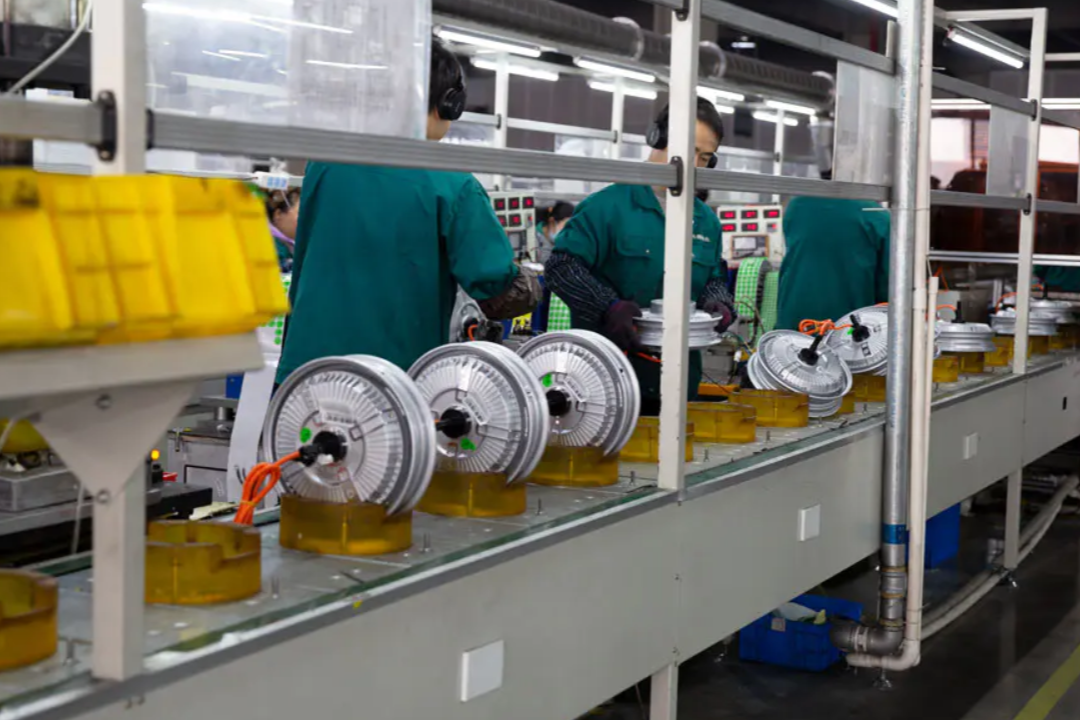
4. Hub Motor Final Assembly Stage
This is the core link of the production line, completing the overall assembly of the motor:
• Core Assembly: Precisely dock the stator assembly with the rotor assembly, install bearings, end covers and other components to ensure smooth rotation of the rotor without jamming;
• Sealing Treatment: Apply sealant to motor bonding surfaces and install waterproof sealing rings to ensure the motor’s waterproof and dustproof rating;
• Wiring Assembly: Connect electronic control circuits and install junction boxes to ensure firm and reliable insulation of circuit connections;
• Fastening Inspection: Conduct torque testing on all bolts to ensure fastening torque meets process requirements.
5. Finished Product Testing and Commissioning Stage
Conduct comprehensive testing and commissioning on finished motors after final assembly:
• No-load Test: Power on to test no-load speed, current, noise and other indicators of the motor to check normal operation;
• Load Test: Simulate actual working conditions to test motor output torque and power to verify performance compliance;
• Waterproof Test: Conduct IP rating waterproof testing on the motor to ensure normal operation in harsh environments;
• Comprehensive Commissioning: Calibrate electronic control system parameters to ensure good matching between the motor and controller.
6. Packaging and Warehousing Stage
Complete final processing of inspected qualified hub motors before warehousing:
• Cleaning Treatment: Clean oil stains and dust on the motor surface to ensure appearance cleanliness;
• Labeling: Attach labels for product model, batch number, inspection qualification, etc.;
• Protective Packaging: Use shockproof and moisture-proof packaging materials to avoid damage during transportation;
• Finished Product Warehousing: Warehouse by batch classification and establish product traceability files.